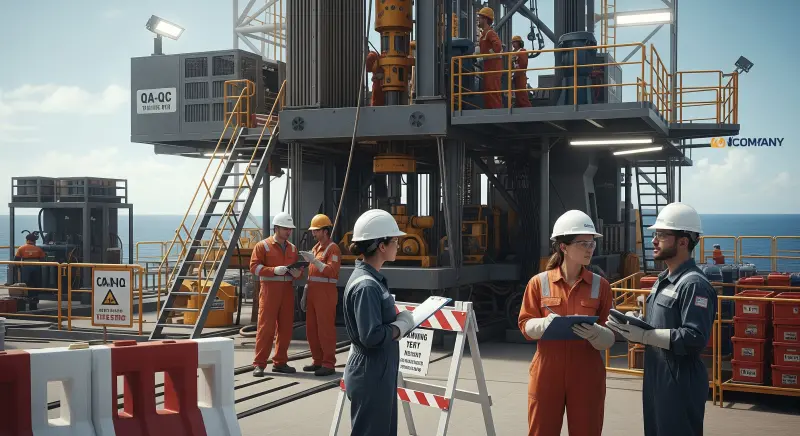
Drilling Risk Management is essential for balancing operational speed with strict rig safety standards. Across the oil and gas sector, offshore and onshore teams face a familiar dilemma. Pushing drilling speed increases daily production potential. However, missed blowout preventer tests and overlooked equipment flaws cause catastrophic well failure and millions in non-productive time.
Consequently, engineering teams face sudden equipment breakdowns and severe safety hazards. Furthermore, operations supervisors struggle to maintain project budgets while meeting strict regulatory standards. Therefore, enforcing safe, high-quality well operations demands a modern, structured approach. This tension can leave both your drilling crew and company reputation at risk.
However, you can craft a strategy that eliminates costly downtime and protects well integrity. Regarding Drilling Risk Management, Agile Leaders Training Center addresses this challenge head-on with its Comprehensive Drilling Safety & QAQC: Best Practices Training Course. Seasoned drilling engineers and field safety experts deliver this program. They equip you to navigate complex subsurface risks while ensuring flawless site operations.
Agile Leaders created this course to bridge theoretical engineering concepts and real-world rig execution. Thus, the program helps organizations make faster, safer drilling decisions. Moreover, individuals build technical skills they can showcase on the rig floor immediately.
Who Should Attend This Drilling Risk Management Training?
Drilling Risk Management training welcomes a broad audience of dedicated energy professionals:
-
Drilling Engineers: Who design well paths, select casing strings, and plan high-pressure operations.
-
Safety Managers & HSE Officers: Who enforce rig safety rules, audit emergency systems, and manage environmental risks.
-
Operations Supervisors & Toolpushers: Who manage daily rig activities, minimize non-productive time, and control costs.
-
QAQC & Inspection Specialists: Who verify equipment standards, inspect tubulars, and audit vendor supply chains.
-
Technical Support Engineers & Contractors: Who assist with specialized pressure testing, directional drilling, and well site maintenance.
What You Will Learn
Drilling Risk Management training guides participants through an immersive, step-by-step learning journey. You will explore rig safety protocols, pressure testing routines, and equipment inspection frameworks.
-
Translate complex engineering standards into simple, practical rig safety checklists.
-
Plan high-pressure, high-temperature (HPHT) and non-conventional drilling operations safely.
-
Gain confidence in managing blowout preventer certification and well control procedures.
-
Apply strict QAQC auditing protocols to catch equipment flaws before tools go downhole.
-
Transform operational efficiency by reducing equipment failures and non-productive time.
Course Journey and Methodology for Drilling Risk Management
Spanning a multi-day learning path, the agenda unfolds from baseline rig safety to advanced hydraulics, HPHT methods, drill string mechanics, and QAQC audits. Furthermore, the course features hands-on scenario workshops, vendor evaluation exercises, and real-world case studies. Collaborative sessions harness group discussions and practical risk reviews. Meanwhile, feedback loops ensure every participant refines their safety leadership in real time. Consequently, participants leave with audit checklists, pressure testing templates, and inspection guides. These materials extend learning far beyond the training room. Regarding Drilling Risk Management, this structured approach ensures maximum skill retention.
Business and Personal Outcomes
Organizations will see a sharp drop in rig downtime and costly equipment failures. Teams adopt shared frameworks for safe, highly reliable well execution. Regarding Drilling Risk Management, professionals gain a distinct edge in their careers by mastering well integrity and quality assurance.
-
Build a portfolio of practical QAQC tools that illustrate immediate field impact.
-
Prevent expensive non-productive time and avoid regulatory safety penalties.
-
Conduct comprehensive rig inspections and well control audits with total confidence.
-
Elevate your overall professional credibility and career trajectory across the energy sector.
Drilling Risk Management training delivers measurable strides in both rig performance and personal development.
Ready to enhance drilling safety and quality control?
If you’re poised to lead safer, more efficient drilling operations and drive measurable performance improvements, enroll in this course and secure your competitive edge today.
Watch Our Course Overview
- Review Additional Relevant Articles